Redundant PLC Systems: ControlLogix Pairs and S7-1500R/H
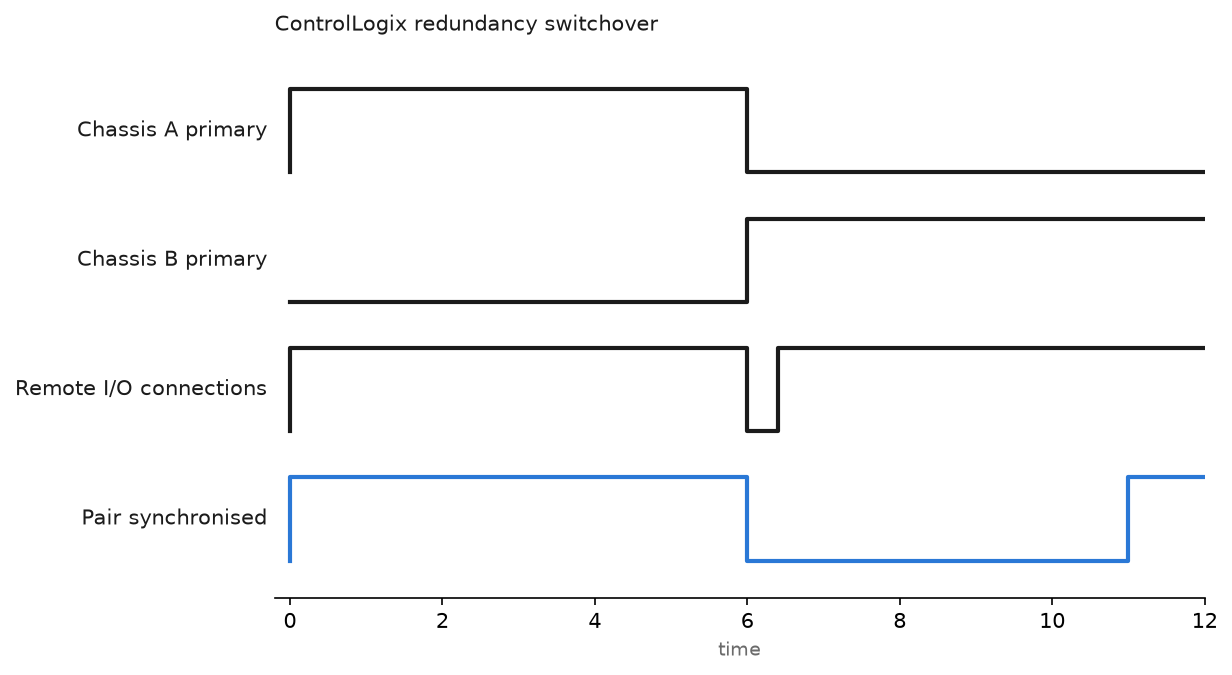
What a 1756-RM2 pair buys you, the design restrictions nobody mentions until commissioning, real switchover times, and when redundancy is the wrong answer.
What a 1756-RM2 pair buys you, the design restrictions nobody mentions until commissioning, real switchover times, and when redundancy is the wrong answer.
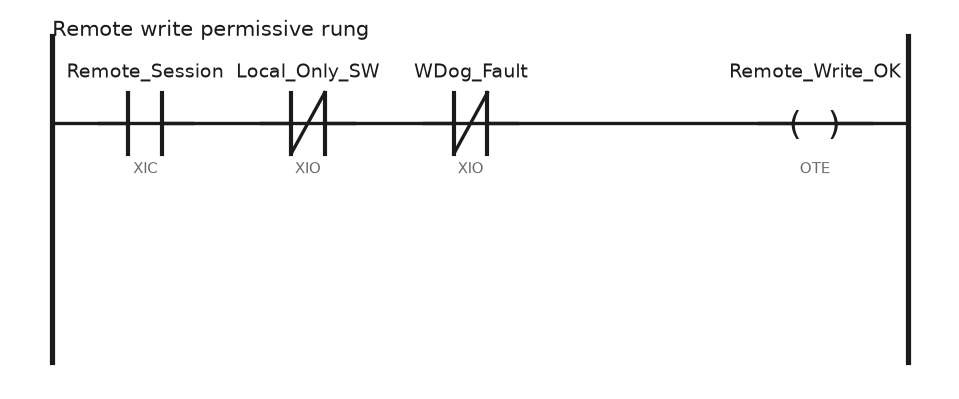
Remote access to a PLC that security will sign off: outbound VPN routers, read-only web HMI, an access rights table, a permissive rung and an audit trail.
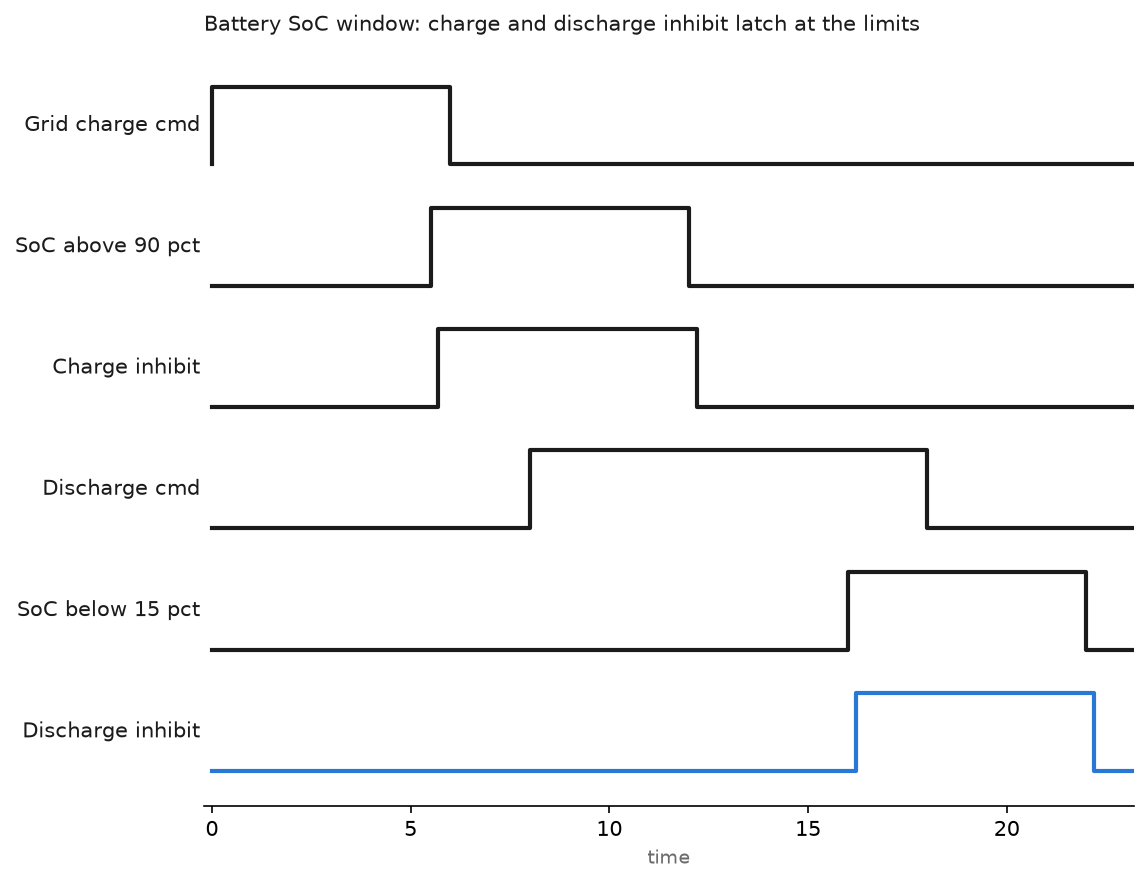
SunSpec Modbus inverter limits, tracker stow, wind turbine pitch and yaw, a battery SoC window with BMS handshake, and curtailment setpoints over DNP3.
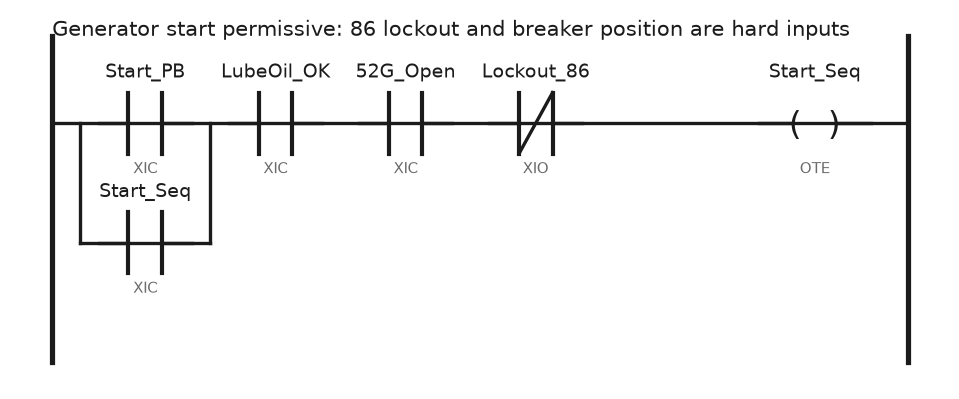
Where the PLC stops and the relay starts, a generator start permissive rung, the synchronising handshake, load shed stages and switchgear interlocks.
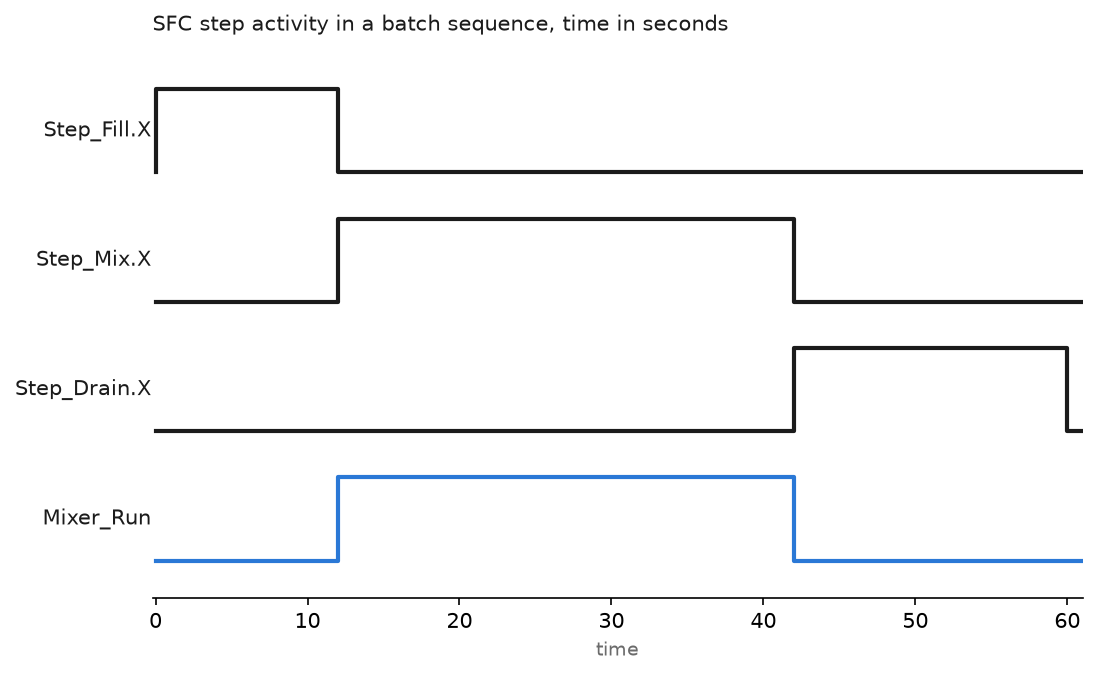
Build a working SFC in Studio 5000: steps, transitions, action qualifiers, the SFC Execution settings that decide what happens on a restart, and S7-GRAPH.
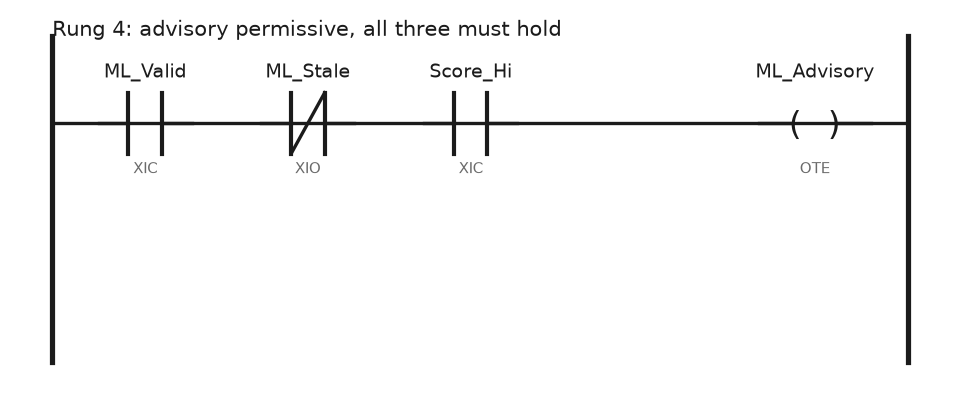
The PLC does not run the model. What to publish, how the score returns as an advisory tag with a watchdog, and a pump anomaly detector on CompactLogix.
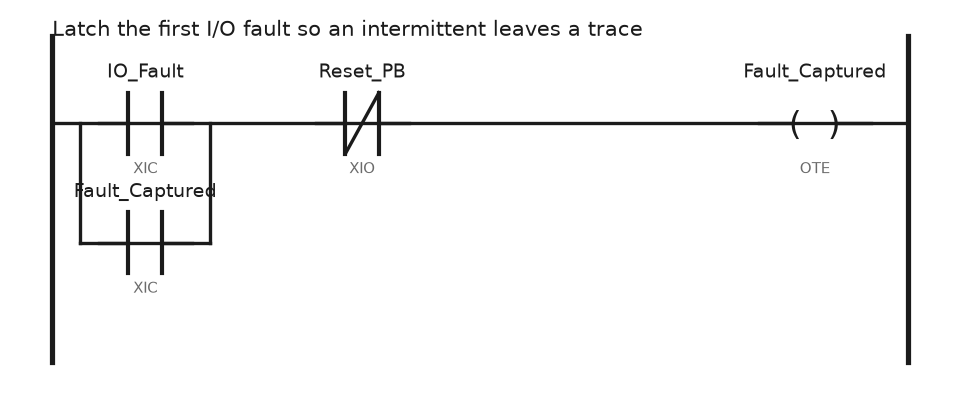
A repeatable PLC troubleshooting order: module LEDs, controller major faults, I/O connection status, forces, cross-reference, trends and Ethernet checks.
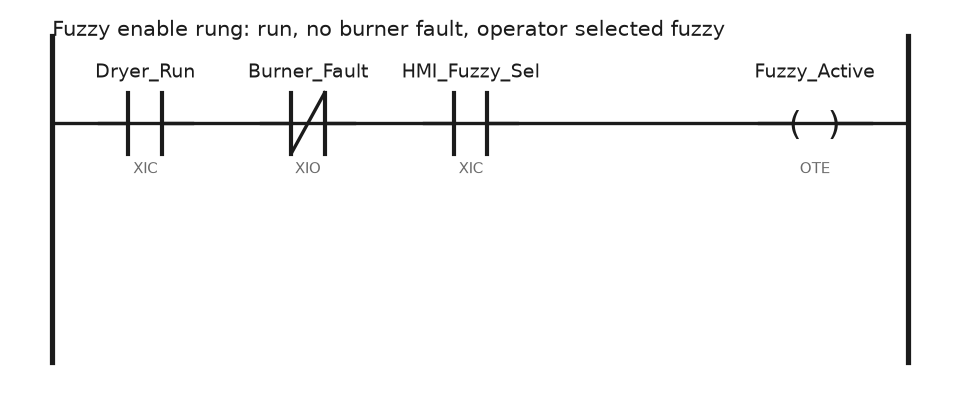
Where fuzzy control beats PID, how to hand-code memberships, a 3×3 rule table and weighted-average defuzzification in Logix ST, with a dryer example.
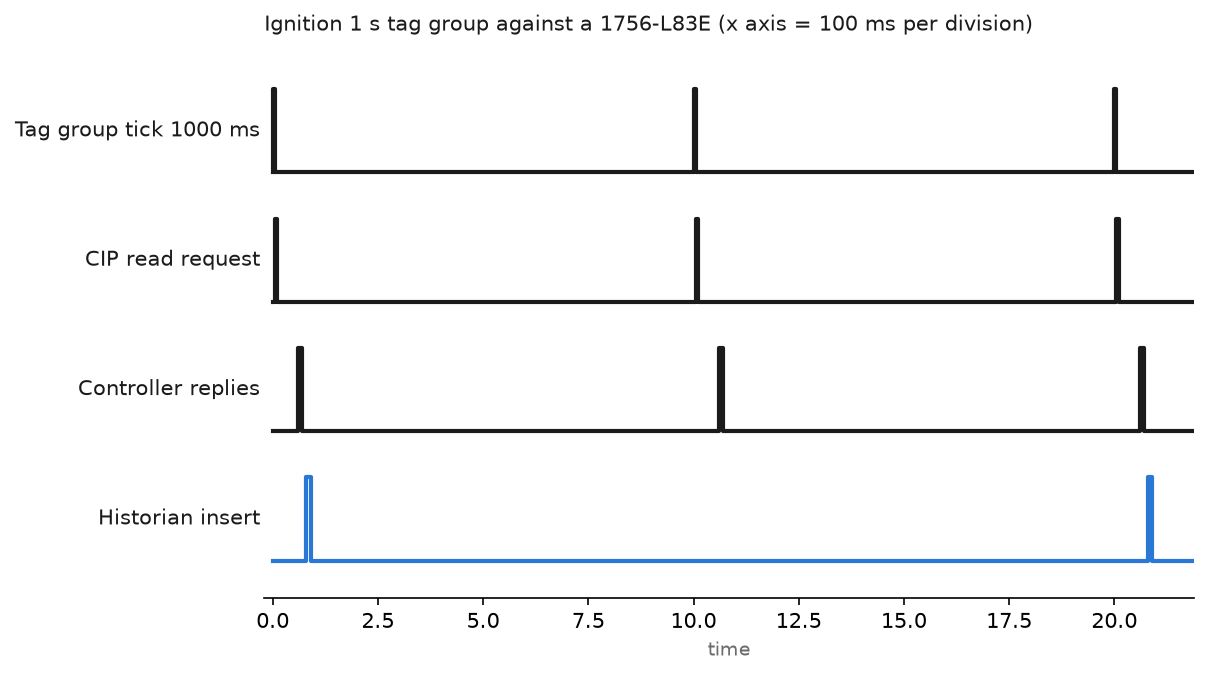
Pick the protocol, prepare the controller tags, add the device in Ignition, set a sane tag group, then prove the link survives a network drop.
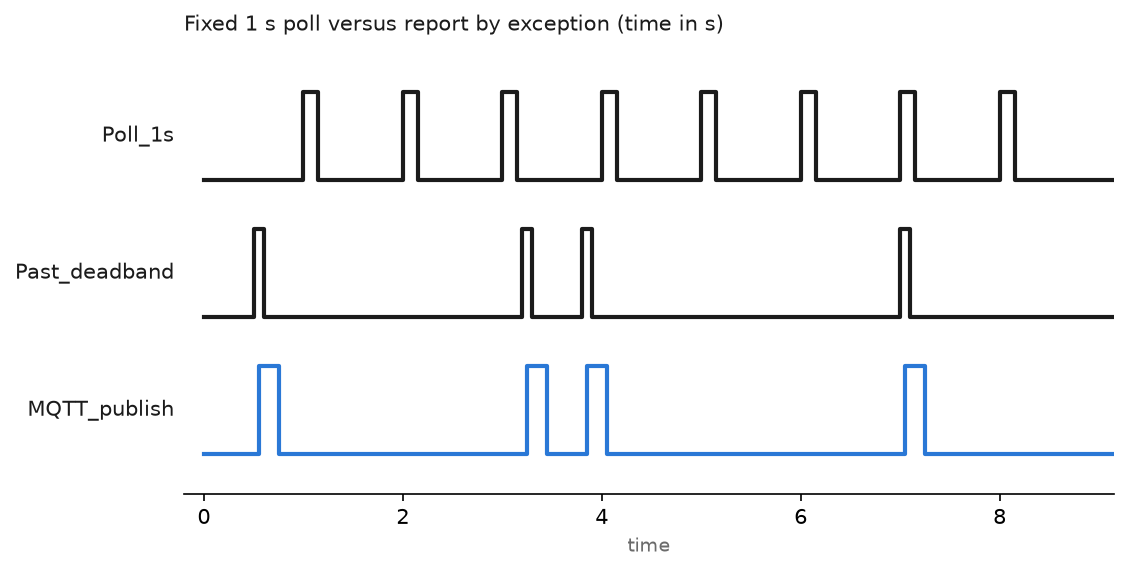
A working IIoT setup for a plant floor PLC: edge gateway choice, MQTT and Sparkplug B topics, a decoded payload, store and forward, deadbands and security.
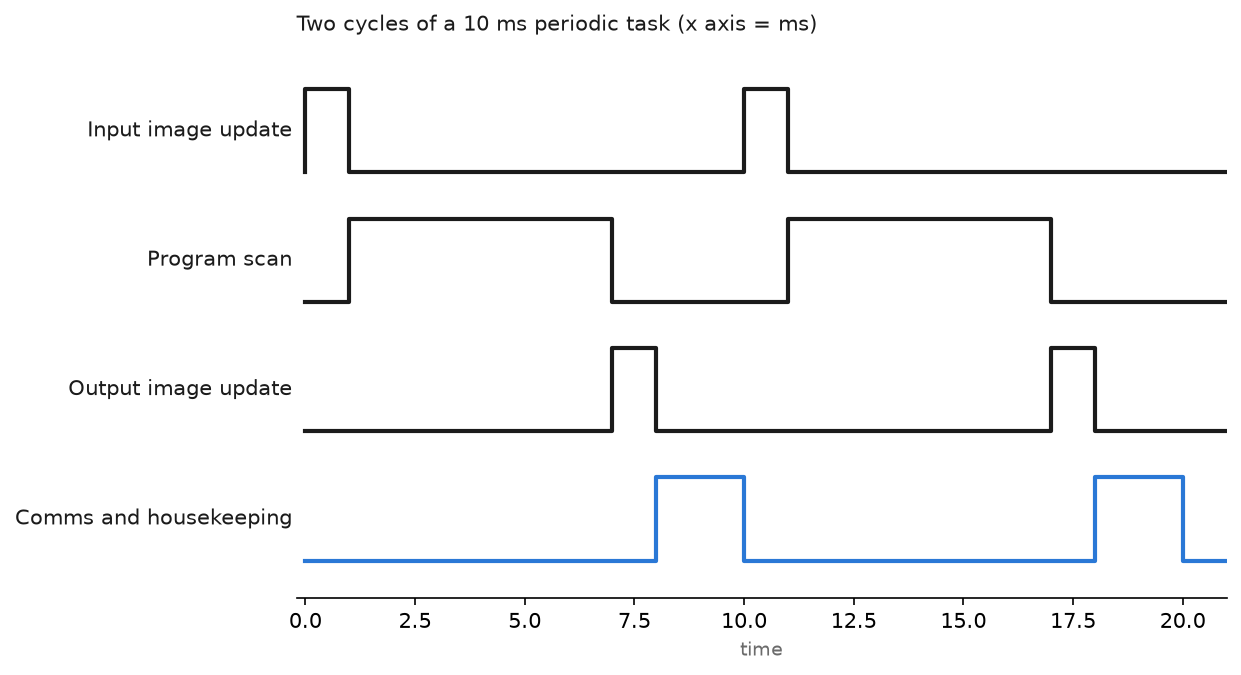
Read real scan times with GSV on a ControlLogix and the cycle time view on an S7-1500, then find what is eating them before the watchdog does.
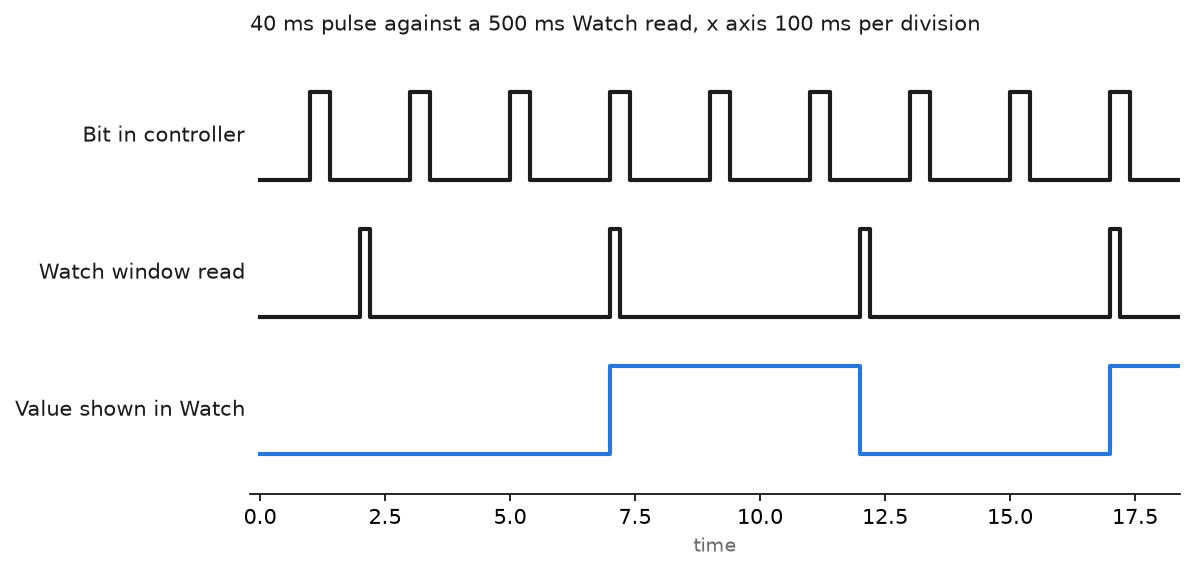
Build watch lists in the Studio 5000 Watch window, monitor and write tag values online, and know when the sample rate hides what you are chasing.